000 / Automation
Browser automation at production level
When Playwright scripts become production workflows, the fun starts: parallelisation, crash recovery, auth handling, multi-worker locking. That's what this service is for.
001 / Deliverables
What you get
Four building blocks that turn a script hack into a production system.
Multi-worker architecture
Three decoupled layers: UI (Streamlit), orchestrator (scheduler + CLI), worker subprocesses. Race-safe via asyncio.Lock round-robin. Multiple workflows run at once without killing each other.
Crash recovery
sys.excepthook as last line of defence. Crash-file bridge between subprocesses, no crash gets lost, even when a worker dies in init. You get a report, not silent death.
Auth without Manifest V2
CDP-based authentication via Fetch.authRequired. No Chrome-extension hack that breaks on every update. Works with basic auth, form auth, token refresh flows.
CI + tests
9 pytest test suites, GitHub Actions on every push. Multi-worker coordination is notoriously hard to test, it's done here anyway.
002 / How it runs
How the framework gets adapted to your use case
-
01
Discovery
Which workflows, which auth schemas, how much parallelisation. What hurts today. Out of that comes the scope.
-
02
Worker adaptation
The worker subprocesses get tuned to your workflows. Selectors, wait times, retry logic, phase definitions.
-
03
Integration + tests
Integrated into your infrastructure (Windows server, Docker, Kubernetes, whichever). Tests for the main paths.
-
04
Handover
Source with documentation, CI config, operations manual. Plus two hours of live coaching for your ops team.
003 / Price
Adaptation to your use case
€6,500 is the entry for an adaptation with one workflow type, 1–3 worker subprocesses, one auth schema.
More complex setups (multiple workflow types, browser profiles with cookies, IP rotation, CAPTCHA handling) scale accordingly. Fixed price after discovery.
Framework adaptation
One workflow, 1–3 workers, one auth schema.
- Worker logic adapted to your workflows
- Integration into your infrastructure
- Test coverage for the main paths
- CI config (GitHub Actions or equivalent)
- Operations manual + coaching (2 h)
Reply within 24 h
004 / Reference
What's inside the framework
This isn't a "could-build", the framework exists with ~17,500 lines of Python for a private client.
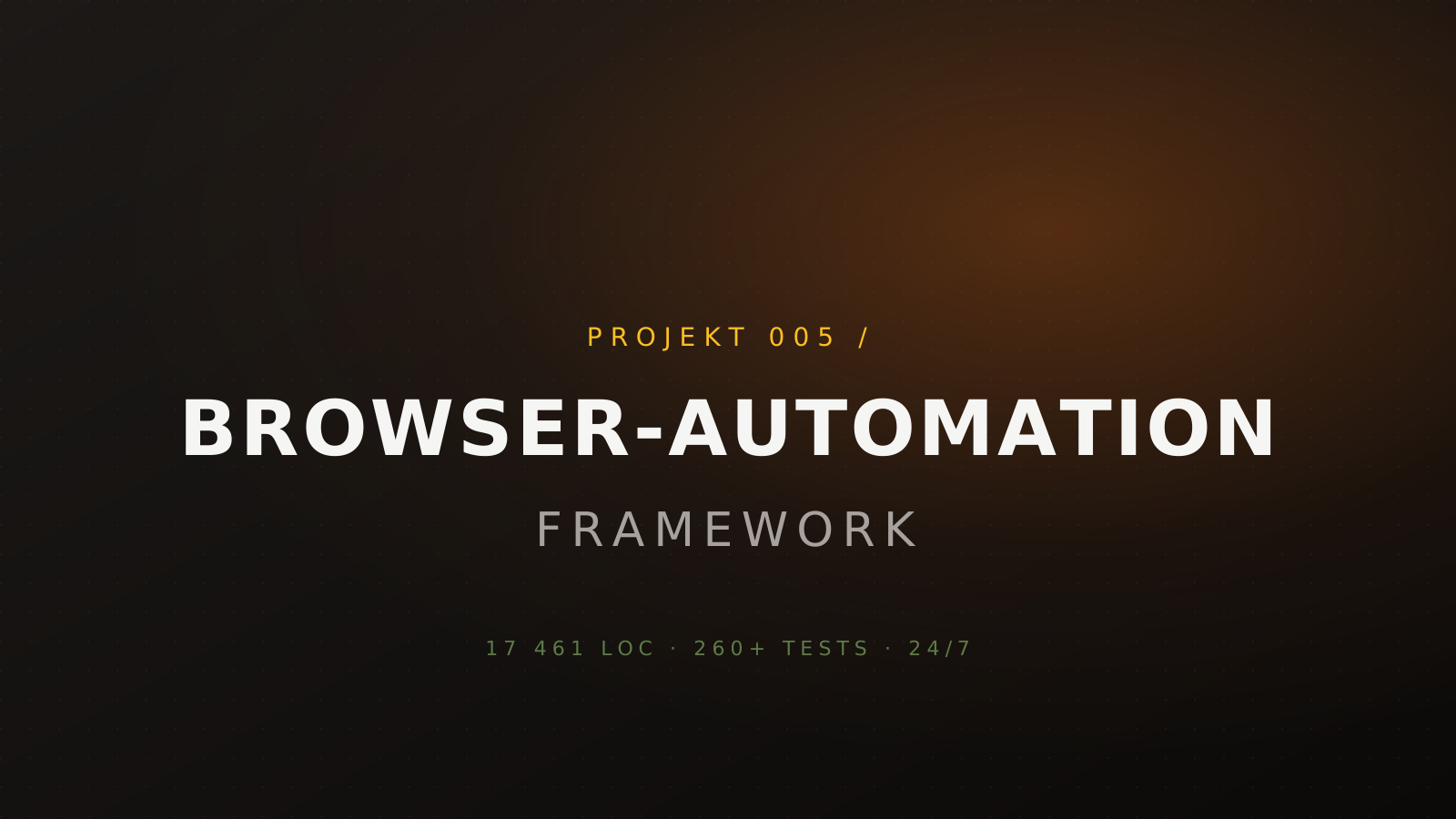
17,461 LOC, parallel, fault-tolerant
Streamlit UI, scheduler+CLI orchestrator, worker subprocesses. SQLite with WAL + BEGIN IMMEDIATE for cross-layer IPC. CDP-based auth without Manifest V2. Windows Job Object cleanup. 9 pytest test suites, GitHub Actions CI on every push.
Read the full case study005 / Frequent questions
What you should know about production-level browser automation
Why not just Selenium or Puppeteer?
For simple scripts, Playwright is enough. For production workloads you need multi-worker coordination, crash recovery and auth handling, none of which are in any library by default and which cost 80 % of the effort.
Does it run on Linux/Docker?
Currently Windows-centric (Job Objects), can be ported to Linux/Docker, that's part of the adaptation.
What if the target site has CAPTCHA?
CAPTCHA handling is its own legal and technical topic. If the site doesn't want you, that's their right. We discuss what's legal and sensible in discovery.
Can multiple workflows run in parallel?
That's exactly what the framework is for. asyncio.Lock round-robin between workers, deduplicated exception hierarchy, IPC via SQLite (WAL).
Who holds the browser-profile data?
Everything stays with you, locally or in your infrastructure. I don't touch it after handover unless a maintenance agreement is in place.
How does the framework stay current with browser updates?
Optional maintenance retainer covers Playwright updates, Chrome updates, CDP changes. Without retainer: I fix on day rate when something breaks.
006 / Related services
Often booked alongside this service:
Custom Apps
Custom AI Desktop App
Bespoke Windows apps with AI backend, hardware integration and API pipelines. For workflows no SaaS tool covers.
E-Commerce
Product Feed Pipelines
Sync large affiliate feeds (Connexity, Shopping24) automatically into Merchant Centers. With validation, monitoring and error recovery.
Case studies
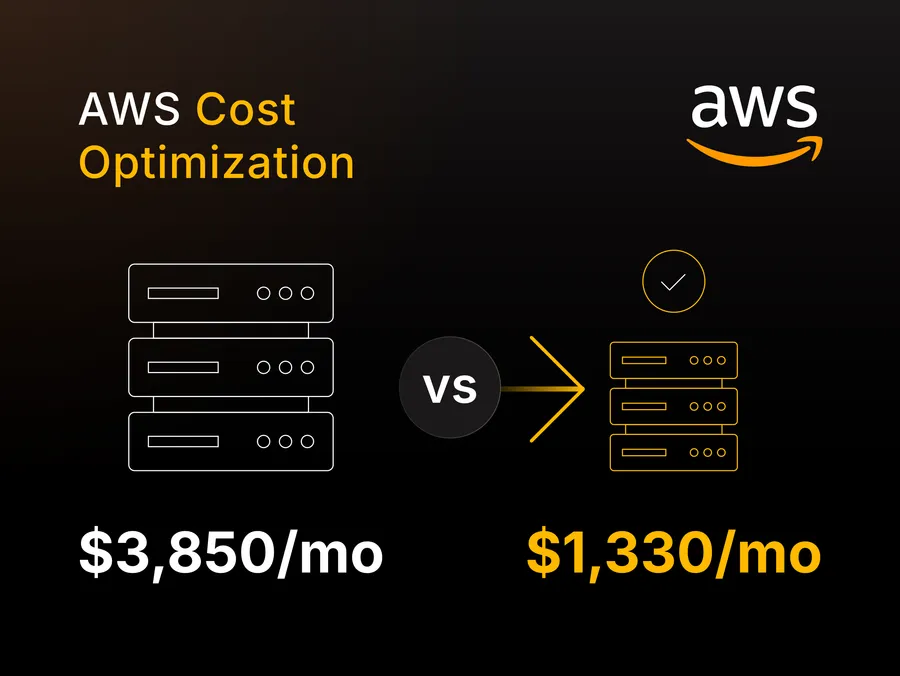
AWS Cost Optimization
65 % AWS cost reduction ($3,850 → $1,330 / month) via safe legacy decommissioning — zero downtime.
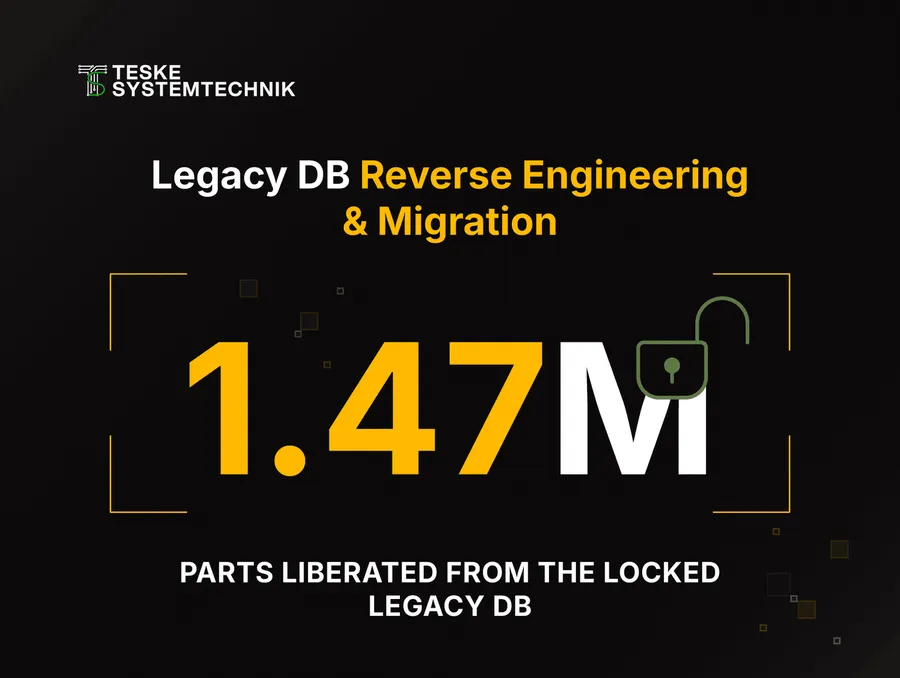
Legacy-DB Reverse Engineering & Migration
1.47 million parts liberated from a 1.2 GB password-protected manufacturer database and migrated into the client's new system — including 82,076 converted drawings, zero rule violations, fully auditable.
Book Lister AI
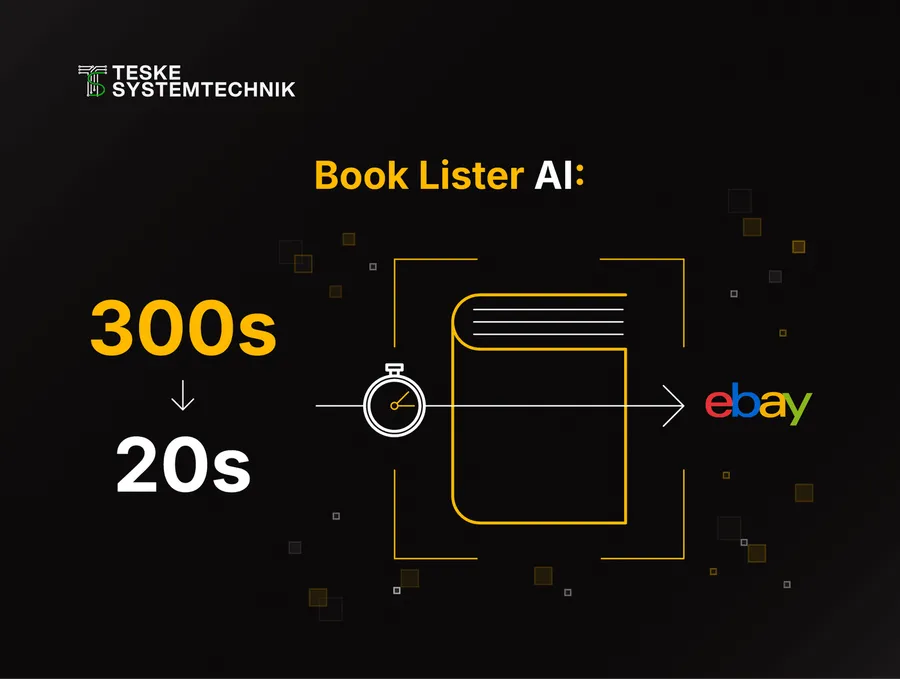
Desktop app that scans used books in under 30 seconds, extracts data via Gemini vision, live-prices, and lists on eBay — +400 % throughput.
Browser workflows that need daily babysitting?
Briefly describe use case and current setup, I'll come back within 24 h with an estimate.
Send inquiry