
000 / Migration
Legacy Data Migration & Reverse Engineering
An old database, a password-protected format, a vanished vendor, and you need the data in a system that didn't exist when the source did. That's the use case.
001 / Deliverables
What you get
Three deliverables that together produce a clean, migratable target.
Schema documentation of the source
Which tables exist, what each column means, which fields are empty from the original developer's perspective vs. actually empty. Plus: every assumption explicit, no hidden data-model tricks.
Migration with rule validation
Strict-mode contract, e.g. "every part has at least one dimension, otherwise abort". On the legacy-DB project that was 5 rules, zero violations. You define the rules, I enforce them.
Audit trail
Per migrated record: where it came from, which transformations were applied, which source rows were dropped. Reproducible, because a real-data migration run often can't be repeated.
002 / How it runs
How the migration runs
-
01
Reverse engineering
Format analysis, password recovery if possible (legal, with your authorisation), schema mapping. This phase is the most expensive and the most important.
-
02
Dry run
Migration on a copy of the source. You see sample output, spot-check, and feed in rule adjustments.
-
03
Real run
During a maintenance window or live, depending on the system. With a rollback plan and intermediate logs if something stalls.
-
04
Handover
Migration logs, audit-trail file, schema documentation. Plus a one-hour live Q&A for your team.
003 / Price
Per project, not per hour
€4,500 is the entry for a medium-complexity project, e.g. an Access DB under 5 GB, a clear target schema, a consolidated rule list.
For large multi-system migrations or unusual file formats, the price scales. But: fixed figure before signing, no retroactive add-ons.
Migration project
Entry tier, one source system, one target.
- Reverse engineering & schema documentation
- Migration with strict-mode rule validation
- Audit trail (per record) as CSV/JSON
- Dry run for sign-off before the real run
- Q&A session (1 h) plus migration logs
Reply within 24 h
004 / Reference
How hard it gets in reality
In February 2026 a client handed me a 1.2 GB password-protected Access database, and asked whether anyone could even open it.
1.47 million parts out of a black box
A manufacturer database whose original vendor was gone. Password recovery, schema mapping, 82,076 DjVu drawings converted to JPG, five strict-mode rules, zero violations. Fully auditable.
Read the full case study005 / Frequent questions
What should be clear up front
What if the source format vendor is gone?
That's the default case, otherwise you wouldn't need me. Reverse engineering goes as deep as needed, sometimes with binary parsing, sometimes with tools the original vendor left half-open.
Can you crack password-protected data?
On your own data, with your written permission, yes, when technically possible. On third-party data, or without permission: no, never.
What happens when rules are violated?
In strict mode the migration aborts, no half-state in the target. In lenient mode the record is flagged and written to a quarantine table. You decide before contract.
How old can the source be?
I've migrated data from Access 97, dBase IV and Foxpro. Age is rarely the issue, bad or missing documentation is.
What if the real run stalls?
Rollback plan written down beforehand. Intermediate logs allow resumption rather than restart from zero. For live migration: pre-cutover and a sync window.
How large can the source be?
A few GB to a few 100 GB is no problem. Larger becomes an architecture question: chunked processing, possibly parallel.
006 / Related services
Often booked alongside this service:
FinOps
AWS Cost Analysis & Reduction
Fixed-price audit of your AWS bill. Action list with quick wins, structural fixes and architectural refactors, sorted by ROI. Zero downtime on the implementation.
Automation
Browser automation at production level
Browser automation that runs in parallel, fault-tolerant, without daily babysitting. Multi-worker with IPC, crash recovery, CDP-based auth.
Case studies
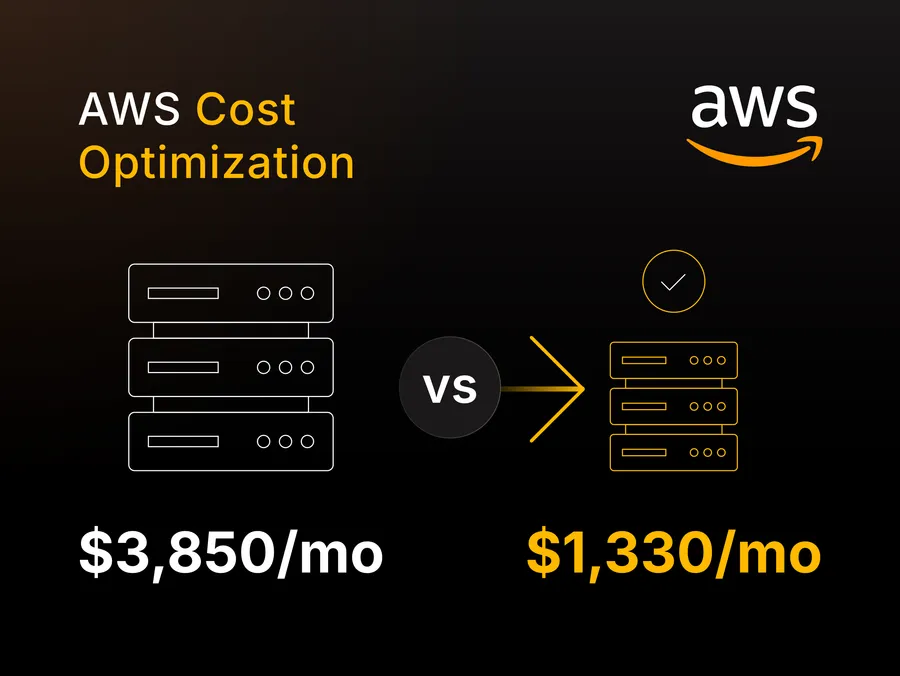
AWS Cost Optimization
65 % AWS cost reduction ($3,850 → $1,330 / month) via safe legacy decommissioning — zero downtime.
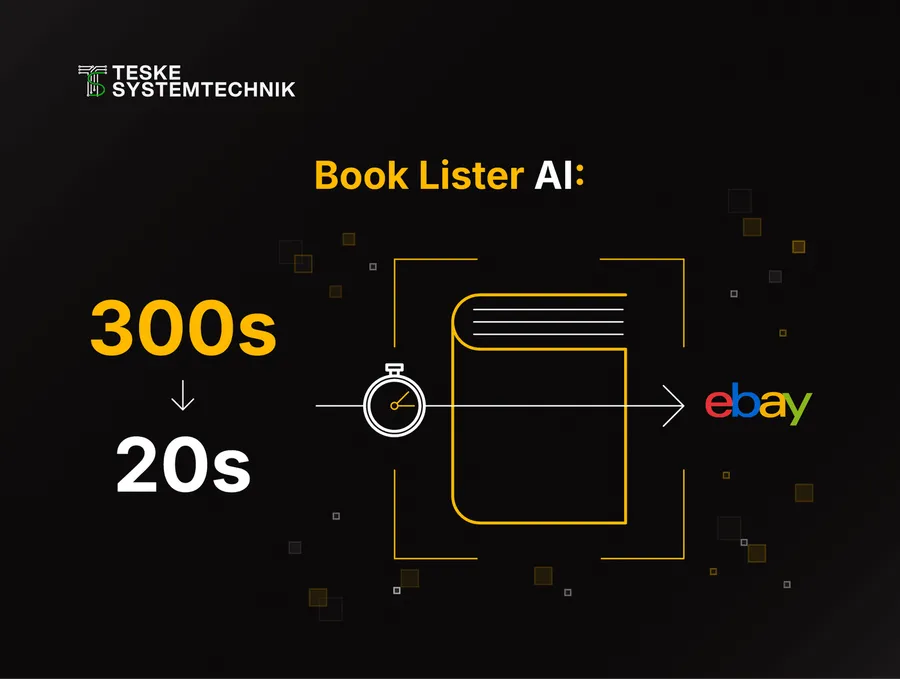
Book Lister AI
Desktop app that scans used books in under 30 seconds, extracts data via Gemini vision, live-prices, and lists on eBay — +400 % throughput.
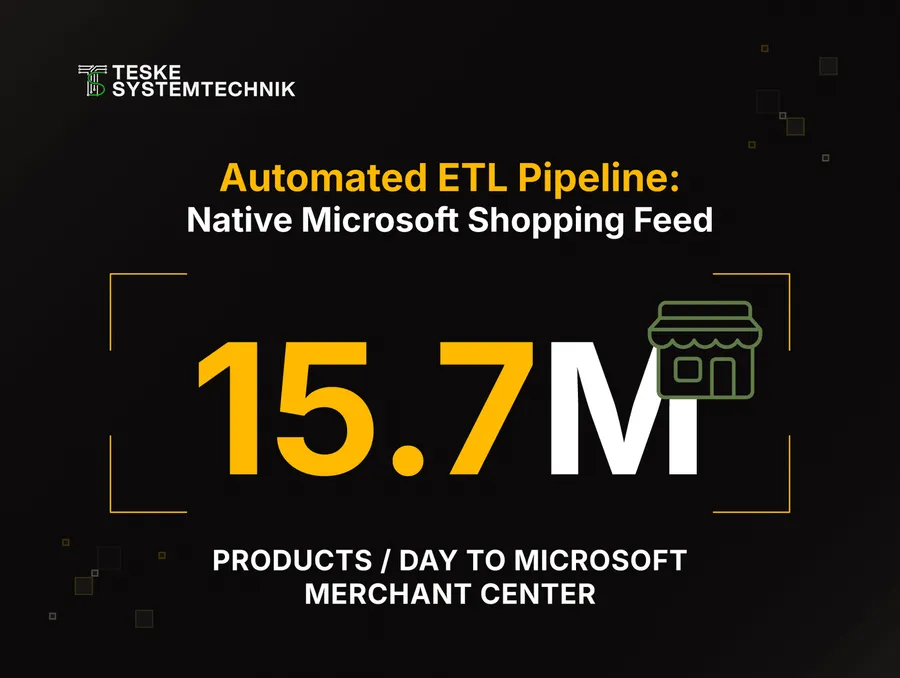
Microsoft Shopping Feed Pipeline
Fully automated daily sync of high-volume affiliate feeds (Connexity, Shopping24) into Microsoft Merchant Center — OOM-safe, chunked upload, 100 % compliant.
An old database nobody understands anymore?
Send a short description of the source format and the target structure, I'll come back within 24 h with an estimate and a proposed call time.
Send inquiry